Polycystic Ovarian Disease (PCOD)
Polycystic Ovarian Disease (PCOD)Patient Information Guide – Pinnacle EmbuWhat is PCOD?
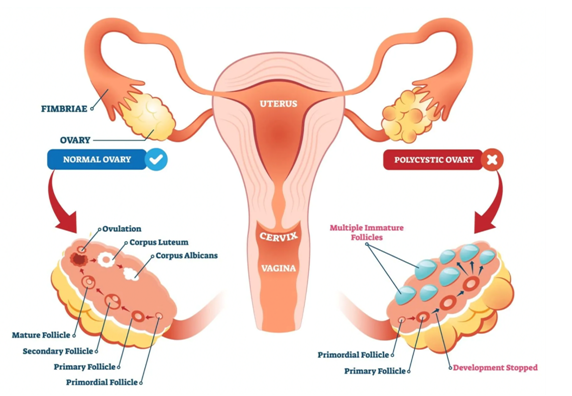
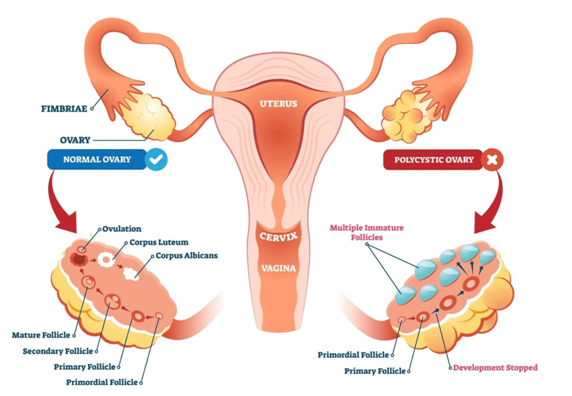
Polycystic Ovarian Disease (PCOD) is a common hormonal condition affecting women of reproductive age. It occurs when the ovaries produce multiple immature eggs that do not fully develop or get released during ovulation. These immature eggs accumulate in the ovaries, forming small fluid-filled sacs (cysts) and leading to hormonal imbalance. What Happens in PCOD?
In PCOD:
- Ovulation may be delayed or irregular
- Ovaries may become enlarged
- The body produces higher levels of androgens (male hormones)
This hormonal imbalance disrupts the normal menstrual cycle and may affect fertility. Common Symptoms Women with PCOD may experience:
- Irregular or missed periods
- Difficulty conceiving
- Acne or oily skin
- Excess facial or body hair (hirsutism)
- Thinning hair on the scalp
- Weight gain, especially around the abdomen
- Pelvic discomfort or bloating
How is PCOD Diagnosed? Diagnosis is based on a combination of clinical findings and investigations: 1. Medical History
- Menstrual pattern
- Weight changes
- Skin and hair symptoms
- Fertility concerns
2. Physical Examination
- Body Mass Index (BMI)
- Signs of hormonal imbalance
- Skin changes (e.g., dark patches indicating insulin resistance)
3. Blood Tests
- Hormone levels (LH, FSH, testosterone)
- Blood sugar and insulin levels
- Thyroid function tests
4. Pelvic Ultrasound
Ultrasound helps assess:
- Ovarian size
- Presence of multiple follicles
- Endometrial lining
Possible Complications If not properly managed, PCOD may lead to:
- Infertility
- Insulin resistance
- Type 2 Diabetes
- High blood pressure
- High cholesterol
- Increased risk of heart disease
- Emotional stress, anxiety, or depression
Long-Term Outlook PCOD is manageable. With early diagnosis and proper care, many women:
- Regain regular menstrual cycles
- Achieve successful pregnancies
- Maintain good overall health
Management and TreatmentLifestyle Changes (First-Line Treatment)
- Maintain a healthy weight
- Engage in regular physical activity
- Manage stress effectively
Dietary Recommendations
- Choose high-fiber foods (vegetables, whole grains)
- Reduce sugar and refined carbohydrates
- Include lean proteins and healthy fats
- Avoid processed and fried foods
Medications (If Required)
- Hormonal therapy to regulate periods
- Ovulation induction medications (for fertility)
- Medications to control insulin resistance
- Treatment for acne or excess hair growth
Surgical Treatment (Rare Cases)
- Laparoscopic ovarian drilling (for selected patients)
Recommended Physical Activity
- Brisk walking, jogging, or cycling
- Strength training exercises
- High-Intensity Interval Training (HIIT)
- Yoga and relaxation exercises
PCOD vs PCOS (Brief Difference)
- PCOD: Common, milder, often manageable with lifestyle changes
- PCOS: More complex hormonal and metabolic disorder requiring long-term care
When to Seek Medical Advice Visit a doctor if you experience:
- Irregular or absent periods
- Difficulty conceiving
- Excess hair growth or severe acne
- Unexplained weight gain
Our Commitment at Pinnacle– Embu At Pinnacle Medical Centre, we provide:
- Comprehensive evaluation
- Personalized treatment plans via our Gynecologists
- Ongoing support for long-term health
Final Message PCOD is a common condition—but with the right care, it is highly manageable. Early diagnosis, a healthy lifestyle, and regular follow-up are key to preventing complications and improving quality of life.
